Vitamins
•
Sep 19, 2025
Vitamins
•
Sep 19, 2025
Top protein sources for muscle growth
Top protein sources for muscle growth

Introduction:
Protein is a vital nutrient for anyone looking to build and maintain muscle. It provides the essential amino acids your body needs to repair muscle fibers, promote growth, and support overall recovery after workouts. Whether you’re an athlete, a fitness enthusiast, or someone starting strength training, choosing the right protein sources can make a significant difference in achieving your goals.
In addition to muscle growth, protein plays a key role in overall health, including supporting bone strength, boosting metabolism, and keeping you full and energized throughout the day. Incorporating a variety of high-quality protein sources—both animal and plant-based—ensures you get balanced nutrition while maximizing the benefits for your muscles and performance.
Introduction:
Protein is a vital nutrient for anyone looking to build and maintain muscle. It provides the essential amino acids your body needs to repair muscle fibers, promote growth, and support overall recovery after workouts. Whether you’re an athlete, a fitness enthusiast, or someone starting strength training, choosing the right protein sources can make a significant difference in achieving your goals.
In addition to muscle growth, protein plays a key role in overall health, including supporting bone strength, boosting metabolism, and keeping you full and energized throughout the day. Incorporating a variety of high-quality protein sources—both animal and plant-based—ensures you get balanced nutrition while maximizing the benefits for your muscles and performance.
Nutrition builds the foundation for performance. Training breaks muscles down — protein builds them back stronger.
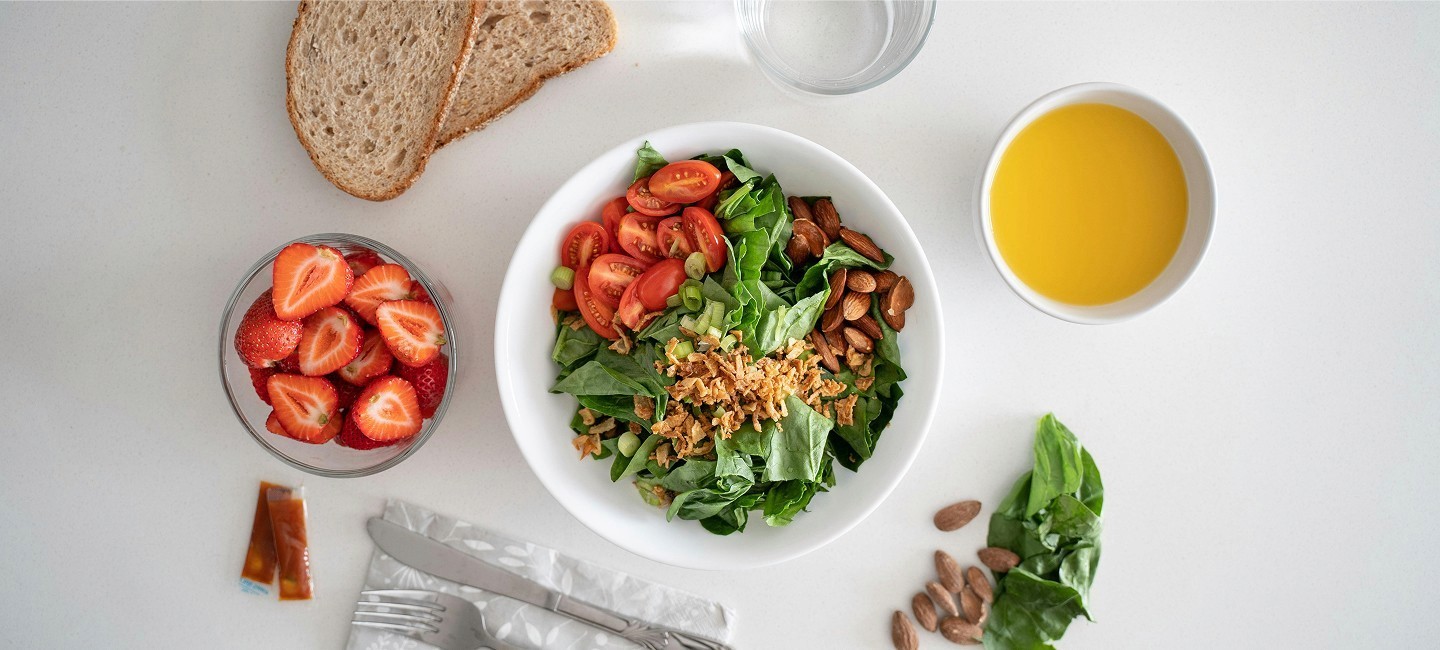
Nutrition builds the foundation for performance. Training breaks muscles down — protein builds them back stronger.
Lean Meats: The Classic Choice
Lean meats like chicken, turkey, and beef have been staples in muscle-building diets for decades. They are packed with complete proteins containing all the essential amino acids your body requires.
Chicken breast – low-fat, high-protein, and easy to prepare
Turkey – excellent for lean protein intake
Lean beef – adds iron and creatine, supporting strength gains
Fish & Seafood: Protein + Omega-3s
Fish not only provide quality protein but also supply omega-3 fatty acids, which reduce inflammation and aid recovery.
Salmon – rich in protein and healthy fats
Tuna – a quick, lean option perfect for snacks
Shrimp – light, versatile, and protein-dense
Dairy Products: Versatile Protein Sources
Dairy foods offer a mix of whey (fast-digesting) and casein (slow-digesting) proteins, making them ideal for round-the-clock muscle support.
Greek yogurt – high protein, plus probiotics
Cottage cheese – slow-release protein, great before bed
Milk – a balance of protein, carbs, and calcium
Key Takeaways
Aim for 1.6–2.2 g of protein per kg of body weight daily.
Distribute protein evenly across meals for maximum benefit.
Mix animal, plant, and supplemental proteins for a balanced diet.
Lean Meats: The Classic Choice
Lean meats like chicken, turkey, and beef have been staples in muscle-building diets for decades. They are packed with complete proteins containing all the essential amino acids your body requires.
Chicken breast – low-fat, high-protein, and easy to prepare
Turkey – excellent for lean protein intake
Lean beef – adds iron and creatine, supporting strength gains
Fish & Seafood: Protein + Omega-3s
Fish not only provide quality protein but also supply omega-3 fatty acids, which reduce inflammation and aid recovery.
Salmon – rich in protein and healthy fats
Tuna – a quick, lean option perfect for snacks
Shrimp – light, versatile, and protein-dense
Dairy Products: Versatile Protein Sources
Dairy foods offer a mix of whey (fast-digesting) and casein (slow-digesting) proteins, making them ideal for round-the-clock muscle support.
Greek yogurt – high protein, plus probiotics
Cottage cheese – slow-release protein, great before bed
Milk – a balance of protein, carbs, and calcium
Key Takeaways
Aim for 1.6–2.2 g of protein per kg of body weight daily.
Distribute protein evenly across meals for maximum benefit.
Mix animal, plant, and supplemental proteins for a balanced diet.

Related Post
Related Post

Carbohydrates
•
Sep 19, 2025
Carbohydrates
•
Sep 19, 2025
Carbohydrates
•
Sep 19, 2025

Protein
•
Sep 19, 2025
Protein
•
Sep 19, 2025
Protein
•
Sep 19, 2025

Vitamins
•
Sep 19, 2025
Vitamins
•
Sep 19, 2025
Vitamins
•
Sep 19, 2025